ESVCP Members Receive Four Awards at Congress in Nantes
22.09.26


Dear Colleagues,
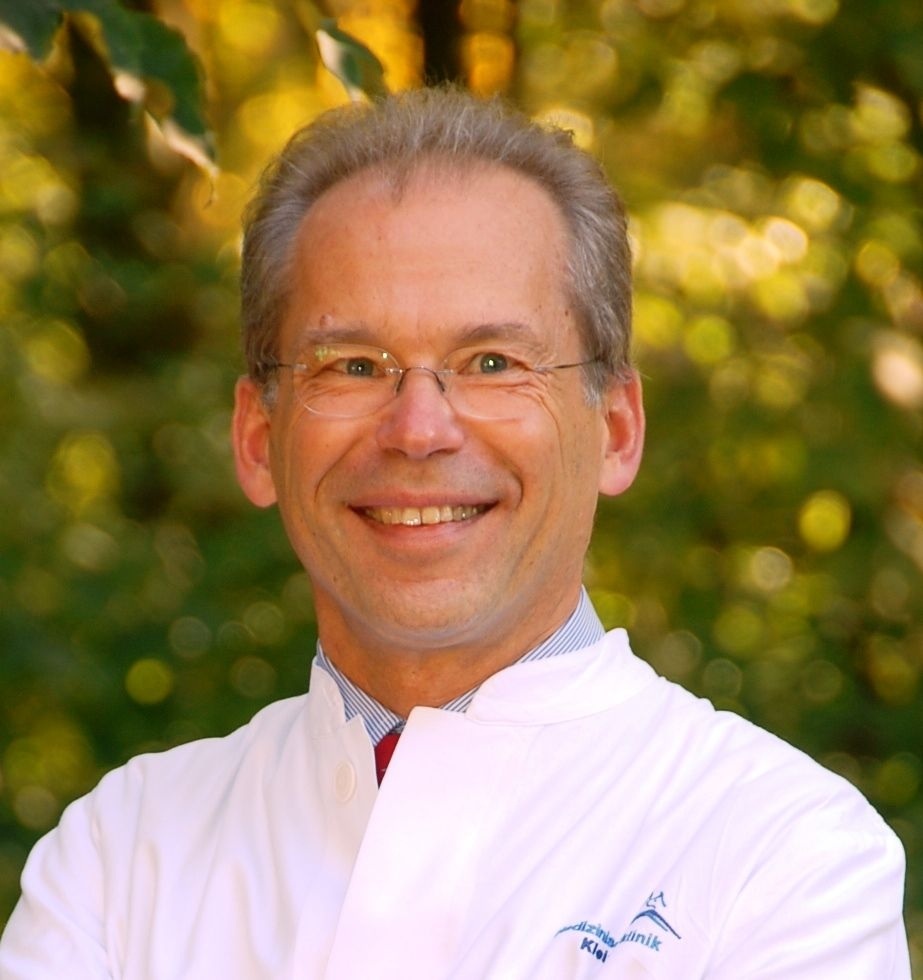
We are extremely sad to announce the passing of Prof. Dr. Johannes Hirschberger. He was a highly regarded scientist, a respected colleague, a dedicated veterinarian and an inspiring mentor whose work has had a long-lasting impact on veterinary medicine in Germany and around the world.
Prof. Hirschberger initially studied physics at the University of Cologne before turning to veterinary medicine. After completing one year of military service, he studied at the Rijksuniversiteit Gent in Belgium (1977–1978) and then at the Justus Liebig University Giessen (1978–1982). He received his veterinary licence in January 1983. In 1987, he completed his doctoral thesis at the Institute of Veterinary Pathology in Giessen, focusing on the production and characterisation of monoclonal antibodies against chicken T lymphocytes.
From 1985 onwards, he pursued his academic and clinical career at the First Medical Animal Clinic of Ludwig Maximilian University (LMU) in Munich. Under the supervision of Prof. Dr. Wilfried Kraft, he completed his habilitation in 1994 with a thesis on the clinical, chemical, and cytological differentiation of body cavity effusions in dogs and cats. He subsequently received offers of C3 professorships at both the University of Veterinary Medicine Hannover and LMU Munich, but chose to continue his academic career in Munich. His commitment to clinical research, teaching and patient care established him as a key figure in the education of many generations of veterinarians.
Beyond his university career, Prof. Hirschberger played a significant role in advancing veterinary internal medicine, oncology and clinical pathology at national and European levels. From 2002 to 2015, he chaired the Oncology Working Group of the German Society for Small Animal Medicine (DGK-DVG), and from 2019 to 2022, he chaired the DVG Section for Internal Medicine and Clinical Laboratory Diagnostics (InnLab). His pioneering contribution to European veterinary clinical pathology was of particular importance: As the founding President of the European Society of Veterinary Clinical Pathology (ESVCP), he played a key role in establishing the organisational and scientific foundations of a European professional society that has since become an important international forum for veterinary clinical pathology. His presidency exemplified his ability to bring colleagues together across national and disciplinary boundaries, promoting clinical pathology as an integral part of modern veterinary medicine.
He was also a Diplomate of the European College of Veterinary Internal Medicine (ECVIM-CA Internal Medicine and ECVIM-CA Oncology) and an Honorary Diplomate of the European College of Veterinary Clinical Pathology (ECVCP), reflecting his international standing. He also served as associate editor of Veterinary Clinical Pathology and as a board member and treasurer of the ECVIM-CA. After 37 years of dedicated academic and clinical work, most recently as Head of the Medical Oncology Service, he retired on 1 October 2022.
Johannes Hirschberger’s life was shaped by strong personal and family bonds. Married since 1979 and the father of five children, he suffered the profound loss of his wife, Christel, in June 2012. Throughout his life, he combined exceptional professional dedication with a deep commitment to his family.
With his passing, veterinary medicine has lost not only an eminent scientist and clinician, but also a valued colleague, mentor and person of great integrity. As the founding president of the ESVCP, he played a particularly important role in shaping European veterinary clinical pathology, leaving behind an enduring professional legacy.
We remember him with deep gratitude and respect.
Stephan Neumann on behalf of the entire Board